For truck and SUV owners, few phrases from a mechanic inspire as much dread as “blown head gasket.” Your vehicle’s head gasket is a critical seal situated between the engine block and the cylinder head. It is responsible for handling high combustion pressures while keeping engine oil and coolant perfectly separated.
When a head gasket fails, these systems breach one another, leading to drops in engine performance or complete mechanical failure. Because trucks and SUVs often endure heavier workloads, towing stress, and off-road driving, their engines run hotter and push gaskets to the limit. Catching a failing head gasket early can mean the difference between a straightforward gasket replacement and needing a completely new engine block.
Look out for these six definitive signs that your truck or SUV has a blown head gasket.
1. Persistent Engine Overheating
One of the most frequent indicators of a blown head gasket is an engine that rapidly overheats and refuses to cool down. When the gasket seal degrades, coolant leaks directly into the combustion cylinders where it burns off, or exhaust gases force their way into the cooling channels.
This loss of fluid and introduction of hot gas creates massive air pockets in your radiator and cooling lines. If your temperature gauge routinely spikes into the red zone-especially while idling or towing-your cooling system is no longer doing its job.
2. Thick White Smoke from the Exhaust Tailpipe
It is normal to see a small puff of white vapor when starting your truck on a cold morning. However, if your SUV or truck is continuously billowing thick, sweet-smelling white smoke from the tailpipe while driving, you likely have a blown head gasket.
When coolant slips past a compromised gasket into the combustion chamber, it gets vaporized during the engine’s power stroke. This creates a dense, unmistakable white steam clouds out the back of your exhaust system.
3. “Milky” or Frothy Engine Oil
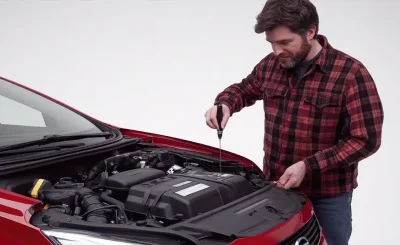
When a head gasket fails internally, coolant and engine oil can mix together. To check for this, pull your engine oil dipstick or look at the underside of your oil filler cap. If the oil resembles a chocolate milkshake, or features a thick, yellowish-brown froth, water or coolant has infiltrated your lubrication system.
Mixed oil loses its viscosity, meaning it can no longer protect your engine bearings, crankshaft, and pistons. Driving with frothy, contaminated oil will rapidly destroy the internal components of your engine.
4. Bubbles in the Radiator or Coolant Reservoir
If exhaust gases are leaking into your cooling system, they will pressurize the radiator and overflow tank. You can safely check for this when the engine is completely cold.
Remove the radiator cap, start the vehicle, and watch the fluid. If you see a constant stream of bubbles rising up through the coolant-resembling a boiling pot of water-combustion gases are being forced past the broken head gasket and into the cooling passages.
5. Unexplained Coolant Loss with No Visible Leaks
Are you constantly topping off your coolant reservoir, yet you never find puddles of green or orange fluid on your driveway? When an engine consumes coolant internally due to a torn head gasket, there will be no external drips on the ground. The fluid is simply slipping straight into the cylinders and exiting through the exhaust system as invisible vapor or white smoke.
6. Engine Misfires and Loss of Power
A head gasket must maintain a perfect seal to hold the intense compression required for your cylinders to fire correctly. When that seal is broken, compression drops. This results in rough idling, sluggish acceleration, a noticeable loss of towing power, and engine misfires-particularly upon cold starts when fluid has had time to pool inside the cylinders overnight.
A blown head gasket is not a problem that remedies itself, nor is it a repair that should be delayed. Continuing to drive a truck or SUV with a failing head gasket risks warping the aluminum cylinder heads, cracking the engine block, or destroying your engine bearings due to oil dilution.
If you suspect your rig is suffering from these symptoms, seeking professional diagnostic services is crucial. For drivers dealing with these heavy-duty issues, scheduling an appointment for expert truck engine repair Denver technicians can trust ensures your vehicle is thoroughly inspected, pressure-tested, and correctly repaired before permanent damage occurs.