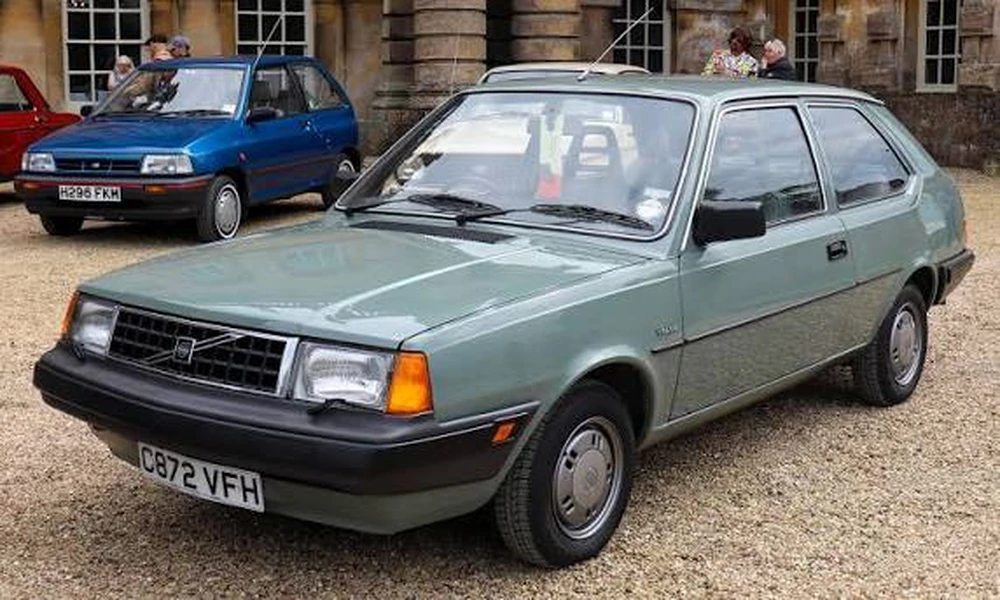
Old Volvos have a way of outlasting their paperwork. A 240 wagon that’s been running since the 1980s has probably had four or five owners, sat in a garage for a few years and changed hands at least once for cash and a handshake. Somewhere in that history the title got lost, never transferred or signed and left blank. You usually don’t find out until you’re standing at the DMV counter with a bill of sale and a box of receipts and the clerk tells you there’s nothing they can do.
So before you order a new timing belt, rebuild the brakes or hunt down that perfect set of Virgo wheels, sort out the paperwork. A beautifully restored car you can’t register is just a very nice lawn ornament. Here’s how to figure out where you stand and what your options are.
Figure out which paperwork problem you actually have
Title problems on older cars fall into a handful of buckets and the fix depends on which one you’re in. Most of the Volvos that come through barn finds, estate sales and online listings land in one of these:
- No title at all. The seller lost it, the car sat for decades or the paperwork went out with someone’s old files.
- An open title. The last titled owner signed it over, but the buyer section was left blank and the car passed through one or more people who never put it in their name.
- A title in someone else’s name who can’t sign, like a relative who passed away or a previous owner you can’t track down.
- An old lien still showing on the title from a loan that was paid off years ago, or from a lender that no longer exists.
- A bill of sale only, with no title ever changing hands.
Write down which one fits your car before you call anyone. It’ll save you from filing the wrong form and starting over.
Check the VIN before anything else
Your title fix depends on the VIN, so confirm it first. Volvos built before the 1981 model year don’t use the standard 17 character VIN that every car has used since and their shorter chassis numbers can trip up DMV systems that expect the modern format. That’s not a reason to panic. It just means you should know exactly what your number is, where it’s stamped on your model and that every place it appears on the car matches.
Take clear photos of the VIN plate and any stamped numbers and run the number through the National Insurance Crime Bureau’s free VINCheck tool to see whether it’s been reported stolen or declared a total loss. If the numbers don’t match each other or the plate looks like it’s been tampered with, stop there. A mismatched VIN is a bigger problem than a missing title and no paperwork service can fix a car that isn’t what it claims to be.
Your options for getting a title
Once you know your situation and your VIN checks out, you’ve got a few routes. Which one makes sense depends on your state and on how much of the car’s history you can piece together.
Get a duplicate from the last titled owner. If you can find the person whose name is on the last title, this is the simplest path. They request a replacement title from their state and sign it over to you properly. It’s worth a few phone calls and a search of old registration slips in the glovebox before you try anything else.
Apply for a bonded title. When the last owner is gone or won’t respond, many states let you apply for a bonded title. You buy a surety bond, usually based on the car’s value, which protects anyone who might later claim they own it. After a waiting period that varies by state, you can get a regular title. Not every state offers this and the bond amount and paperwork differ quite a bit from one state to the next.
Use your state’s rules for older vehicles. This is where Volvo owners sometimes catch a break. Some states stop issuing titles for vehicles past a certain age, or accept a bill of sale and registration in place of a title for older cars. The cutoffs and requirements vary, so it’s worth reading up on how classic car titles work before you assume your 1972 P1800 needs the same paperwork as a 2015 XC60.
Clear an old lien. If the problem is a lien from a long gone loan, you’ll usually need a lien release letter from the lender. When the lender has been bought out or closed, the bank that absorbed it often has the records. If nobody can be found, some states have a separate process for lenders that no longer exist.
Bring in a title service. If you’ve got more than one of these problems at once, or your state doesn’t offer the route you need, a private title service can save you a lot of trips to the DMV. Companies like Legal Tags handle retitling for vehicles with no title as well as registration for clean and salvage title vehicles and they can usually tell you quickly whether your car qualifies. These are private businesses, not the DMV, so compare a couple and read their terms before you pay.
Questions to ask the seller before you hand over cash
If you haven’t bought the car yet, you’re in the best possible spot, because the seller is the one person who can make most of these problems disappear. A few direct questions up front will tell you whether you’re buying a project or a paperwork puzzle.
- Is the title in your name? If not, whose name is on it and can you reach them?
- Has the title been signed by anyone and is the buyer section filled in?
- Was there ever a loan on the car and do you have the lien release?
- When was it last registered and in which state?
- Do you have old registration cards, service records or the original purchase paperwork?
A seller who says the title is “around here somewhere” should be willing to find it before you pay, or at least knock the price down to reflect the work you’re taking on. If the answers don’t add up, it’s fine to walk. There will always be another 240 for sale.
Mistakes that make a title problem worse
A few common moves turn a fixable paperwork issue into a real headache. Don’t write your name into the buyer section of an open title for a sale you weren’t part of and don’t buy a car and resell it without ever putting it in your name. That’s called title jumping and it’s illegal in most states. Don’t assume a car is too old to need a title without checking your state’s actual rule, because the answer changes by state and sometimes by vehicle type. And don’t start spending serious money on parts until you know the car can be registered. It’s a lot easier to walk away from a cheap project with bad paperwork than from one you’ve already sunk a few thousand into.
It also pays to keep everything. Hold on to the bill of sale, any old registration cards, the seller’s contact information, photos of the car the day you bought it and every receipt from the purchase. If you end up applying for a bonded title or proving ownership another way, that paper trail is what gets you there.
A quick paperwork checklist for older Volvos
- Confirm the VIN on the car matches every document you have.
- Run the VIN through NICB VINCheck for theft or total loss reports.
- Get a signed and dated bill of sale with the seller’s full name and contact information.
- Ask the seller for any old titles, registration cards or service records.
- Look up your state’s title rules for vehicles of your car’s age.
- Decide on your route (duplicate, bonded title, age based rules or a title service) before buying parts.
Get the paperwork right, then enjoy the car
Old Volvos are some of the most rewarding cars to bring back. They’re simple, tough and supported by a community that has documented just about every repair you could need. The title is the one part of the project that the community can’t fix for you, but it’s also the part that’s easiest to get right if you deal with it first. Sort out what kind of problem you have, confirm the VIN and pick the route that fits your state. Then get back to the fun part.